The Art of Upselling in Bridal Retail
Most bridal retailers are wary of upselling, and fair enough — nobody wants to be the pushy salesperson who sours the biggest purchase of a bride's year. But there's a version of it that doesn't feel like selling at all, to you or to her. A bride who just found her dress isn't buying fabric and stitching; she's assembling how she'll look on one of the most photographed days of her life. Helping her finish that picture is a service. It also happens to raise your average sale.
We've written before about keeping in touch with brides through a CRM. This post is about what your team does in the room.
Three moments when suggestions land
Timing matters more than technique. A bride's journey has three windows where a recommendation feels natural instead of tacked on.
When she says yes to the dress. This is the emotional high point — tears, relief, the entourage cheering. It's also the moment she starts picturing the complete look, which makes it the natural time to bring out a veil or headpiece that goes with the gown she just chose. One or two options, not a tray of twelve.
During fittings. Once the dress is hers, she starts imagining the day itself. Stylists who pay attention notice the tells: a bride touching her wrist, her neck, her hair is often already thinking about jewelry or a hairpiece. That's an invitation.
In the final weeks. As the wedding gets close, her attention shifts to practical worries. This is when preservation, the right undergarments, or a day-of emergency kit stop sounding like add-ons and start sounding like problems solved.
Notes make this work across visits. If the consultant who noticed something at the yes-moment writes it down in the bride's profile, the colleague running her fitting six weeks later can pick up the thread instead of starting cold.
Connecting suggestions to her dress
The difference between thoughtful and transactional is specificity. "Would you like to see veils?" is a sales question. "This veil picks up the lace on your bodice" is a styling observation, and it gets a completely different reception. A few things that help:
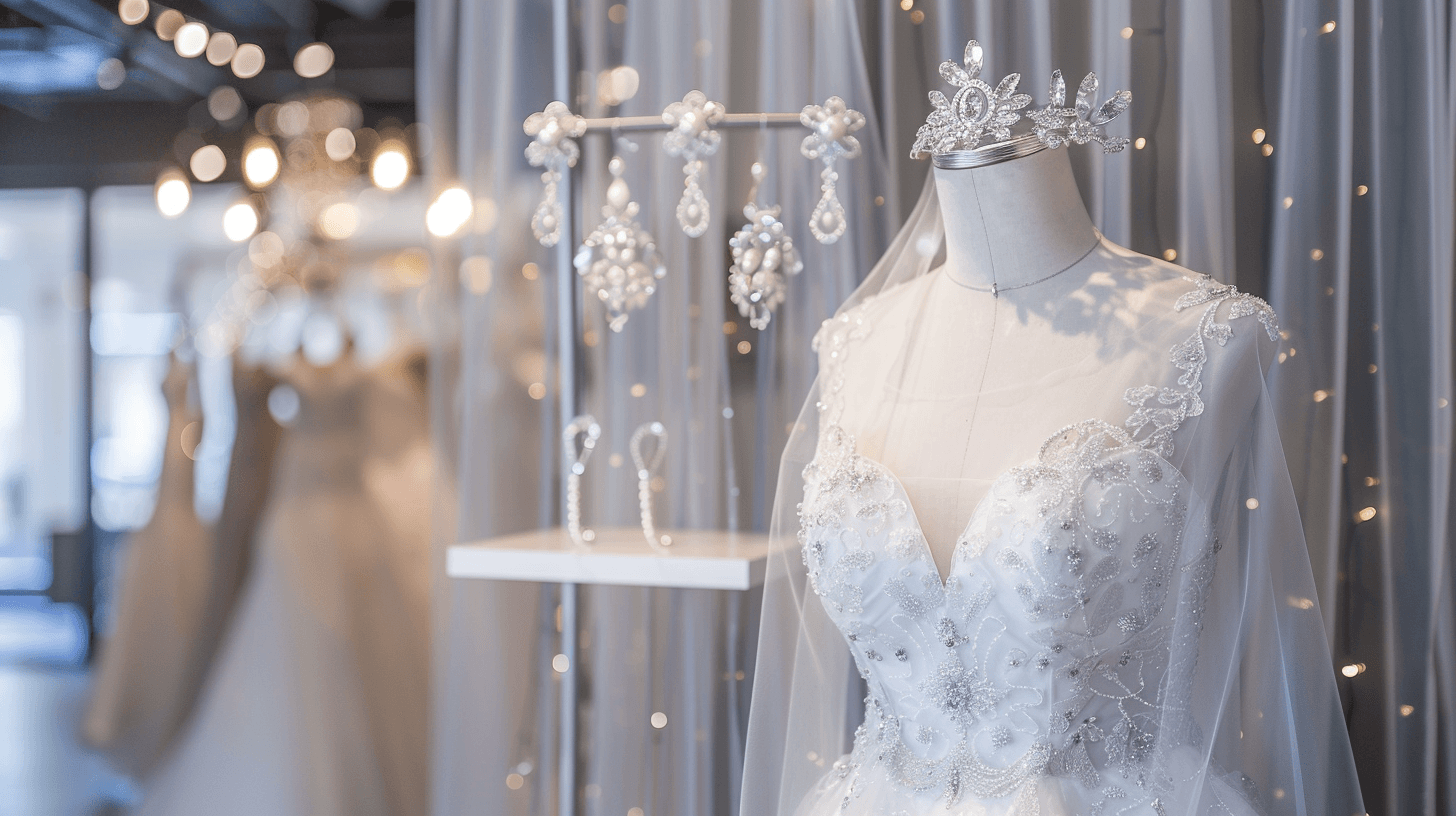
- Let displays do the suggesting. A mannequin wearing a complete look — gown, veil, belt, earrings — plants ideas no pitch can. Brides ask about accessories they see styled together.
- Curate rather than catalog. Too many options paralyze. A small set of accessories chosen to work with each other (and with your gown assortment) makes deciding easy.
- Ask questions that assume the next step. "Which of these two would you wear?" outperforms "Do you want to try accessories?" — not as a trick, but because it keeps the styling conversation going instead of ending it.
Beyond accessories: services
Services often add more to the sale than accessories do, and they solve real problems:
- Tiered alterations packages. Basic (hem and bustle), standard, premium. Package pricing gives the bride cost certainty and usually earns more than à la carte. We've covered alterations pricing in depth separately.
- Preservation. Offer it at the final fitting, when the dress is right there and the wedding is weeks away. It's the most commonly forgotten post-wedding task, and a reminder email a month after the wedding catches the ones who said "later."
- Styling appointments. A dedicated session just for completing the look, sold as a premium service. Appealing to exactly the brides who felt overwhelmed choosing the dress.
- Rush services. Some brides genuinely need expedited alterations or orders. A priced rush option serves them and creates revenue, instead of an awkward favor.
- Vendor referrals. A curated list of photographers, makeup artists, and venues you trust. Some shops negotiate discounts for their brides rather than taking referral fees — the goodwill is usually worth more.
Training the team
Two sensitivities separate consultants who are good at this from consultants who annoy people.
The first is budget. A bride who chose a gown at the bottom of her stated range, or whose mother winced at the price, has told you something. Respecting that signal — maybe the suggestion is a $90 belt, not a $400 veil — is what keeps recommendations welcome.
The second is restraint. The goal is one or two well-matched suggestions per visit, not a checklist. Role-playing appointments in staff meetings sounds corny and works: the difference between a consultant who has said "this veil matches your lace" out loud ten times and one improvising it live is audible.
Is it working?
Track your attachment rate — the share of gown buyers who also buy an accessory or service. It's the one number that tells you whether any of this is landing, and watching it move after a training push or a new display tells you what worked. Post-appointment surveys ("were our styling suggestions helpful?") catch the tone problem early if a consultant is pushing too hard. And brides' own wedding photos on Instagram are free market research: what did they actually wear with your gowns?
The short version
Upselling done right is styling. Anchor every suggestion to her actual dress, make it at a moment when she's receptive, respect the budget signals, and keep notes so the whole team can be consistent. The brides feel taken care of — and the average sale takes care of itself.
CloudBridal's customer profiles give your team a place for those notes, plus automated follow-ups for things like preservation reminders.